Property managers, agencies and strata
Keys and locks for the properties you manage
Keys go missing between tenancies, a tenant is locked out, and a building’s keys need a plan. This page is for property managers, real estate agencies and strata managers who want doors opened, locks changed and keys accounted for, at a price you agree before work starts.
Can’t talk now? Leave your number and we’ll ring you
- Public liability insured
- 24/7, including public holidays
- 15–25 minutes typical response
- No call-out fee*
- No hidden rates*
- 1 year workmanship warranty*
- 6 years in Melbourne
- Home, business and vehicle
- No call-out fee
- No call-out fee when the job goes ahead as booked. If you cancel after your locksmith has already set off, the trip is charged — the cancellation policy on your booking says how much.
- No hidden rates
- The figure you approve is the figure you pay for the job as described. If the job turns out genuinely different on site, that figure still stands until you approve a new one. Anything you have not agreed to is never charged.
- 1 year workmanship warranty
- What the warranty covers depends on the job and on the parts — ask us what applies to yours. It sits alongside your rights under the Australian Consumer Law, which no warranty can exclude.
Recent work
Photos from our own jobs.
01 / 12
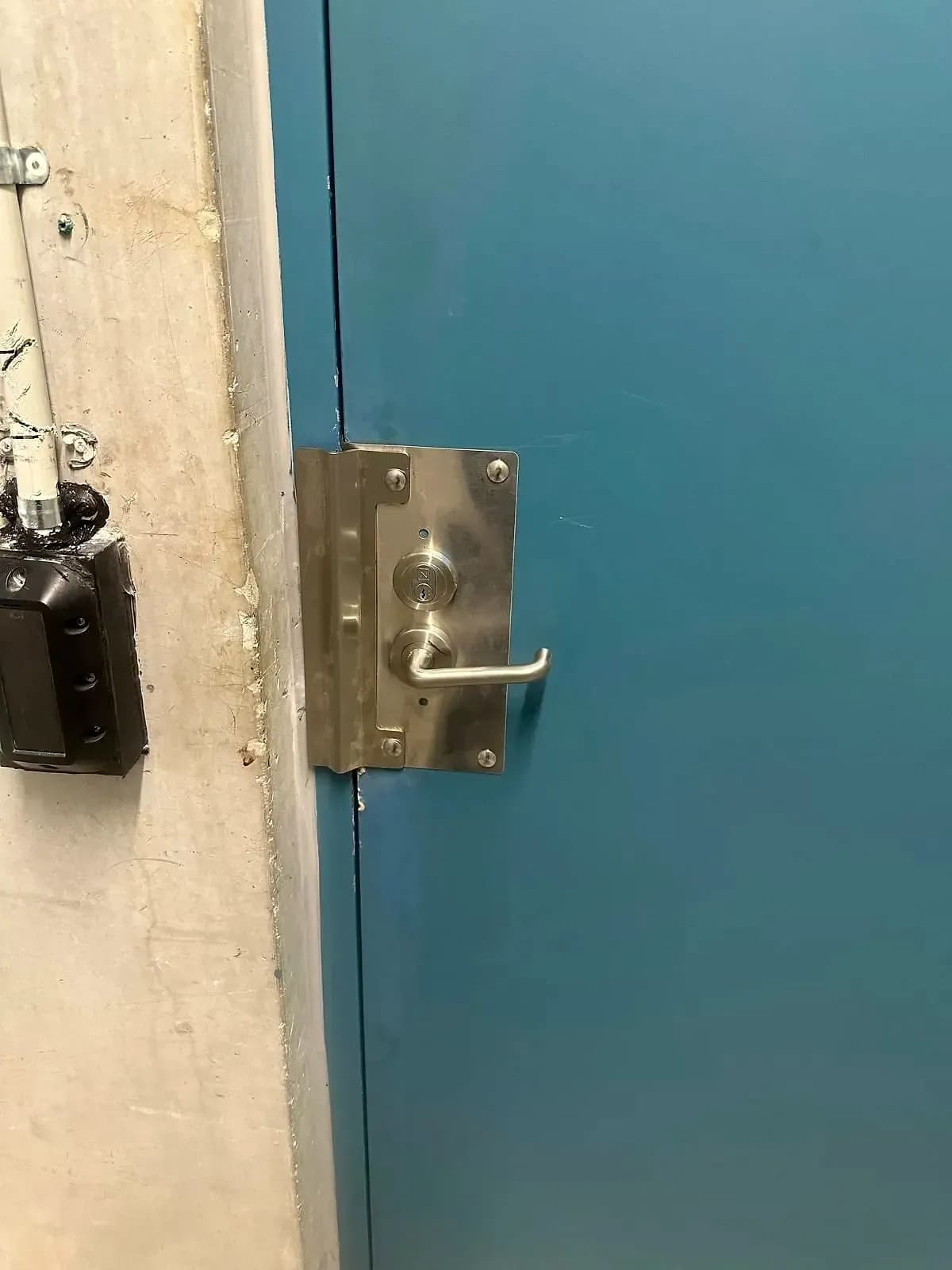
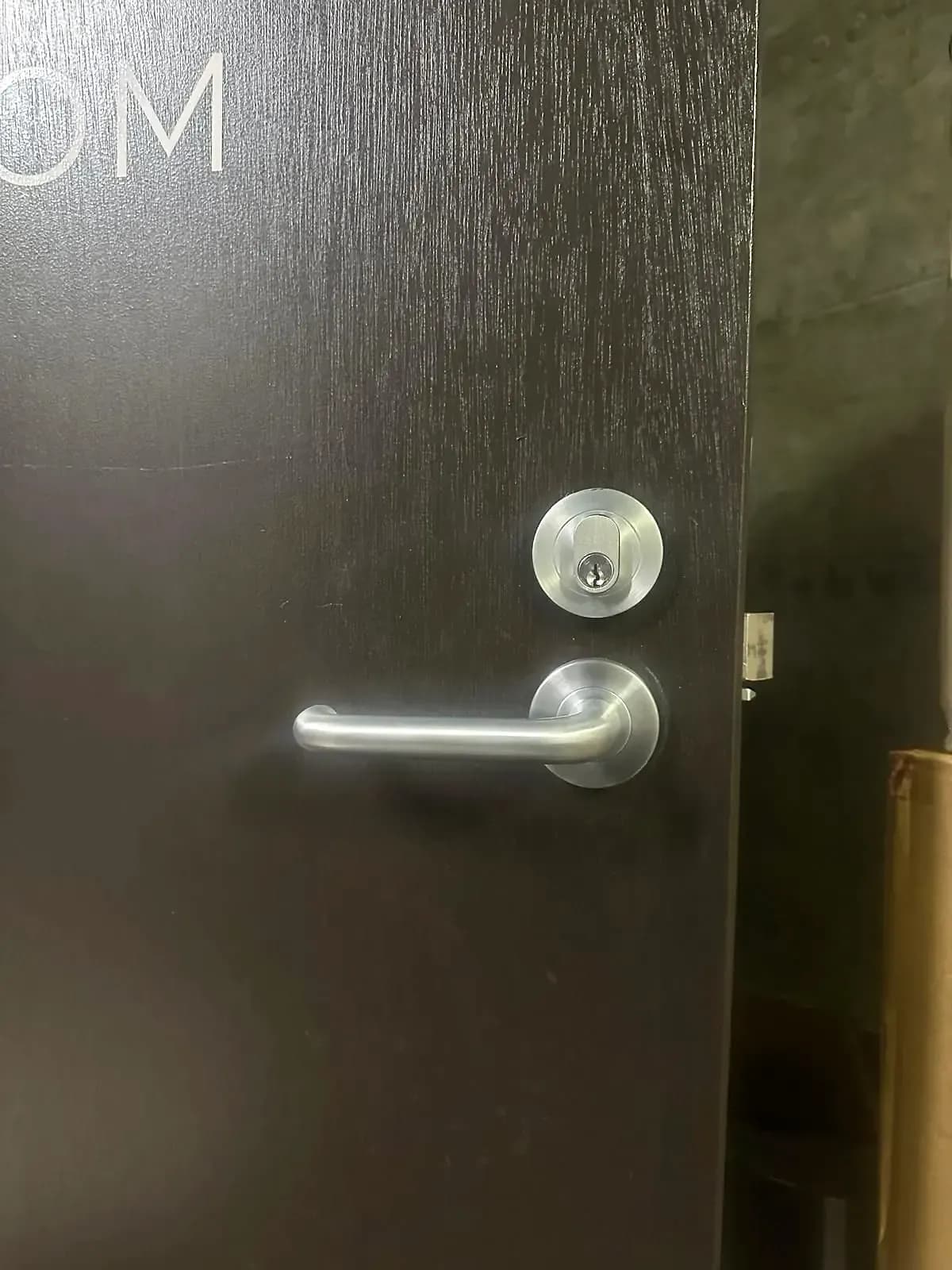
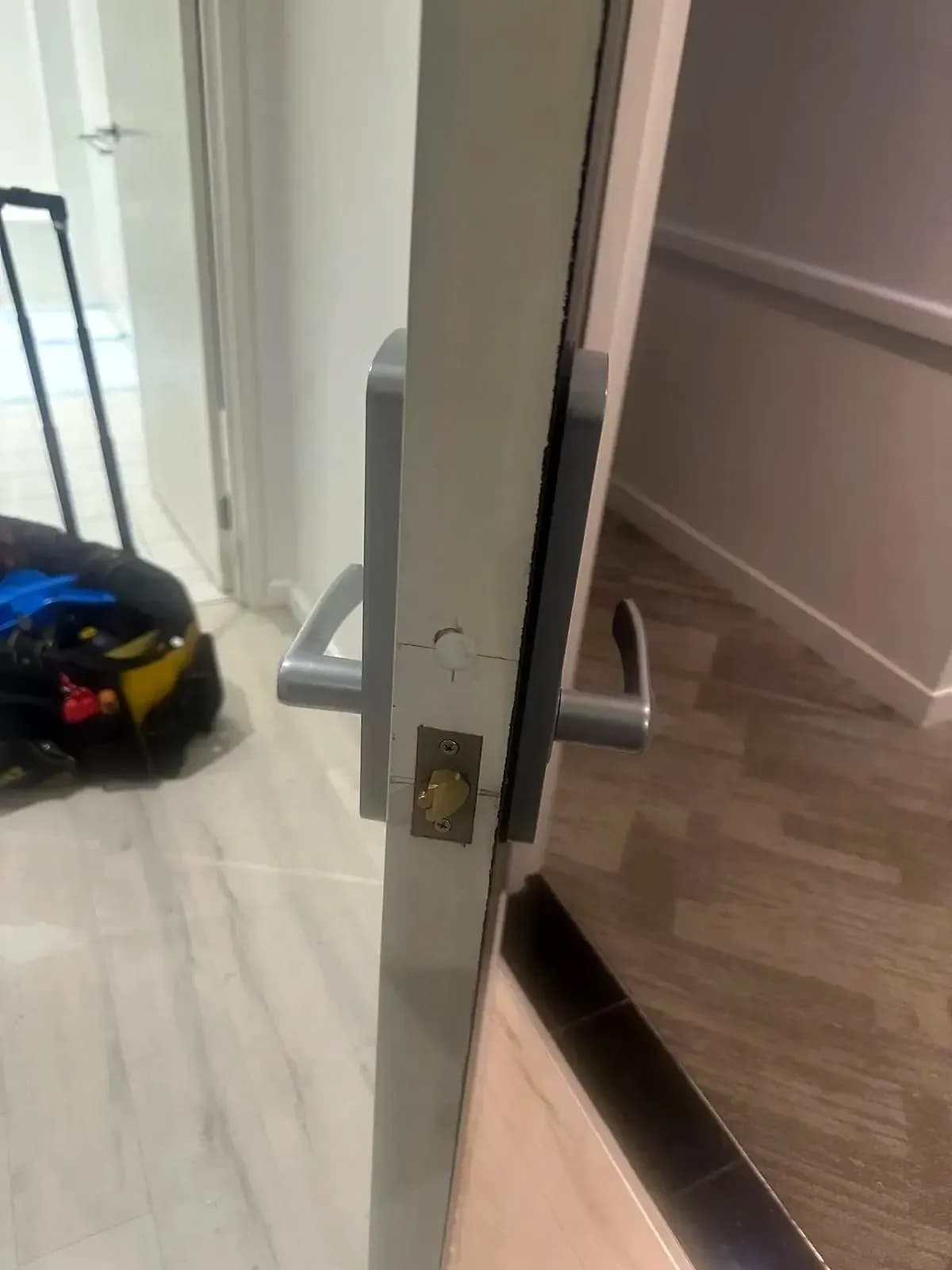
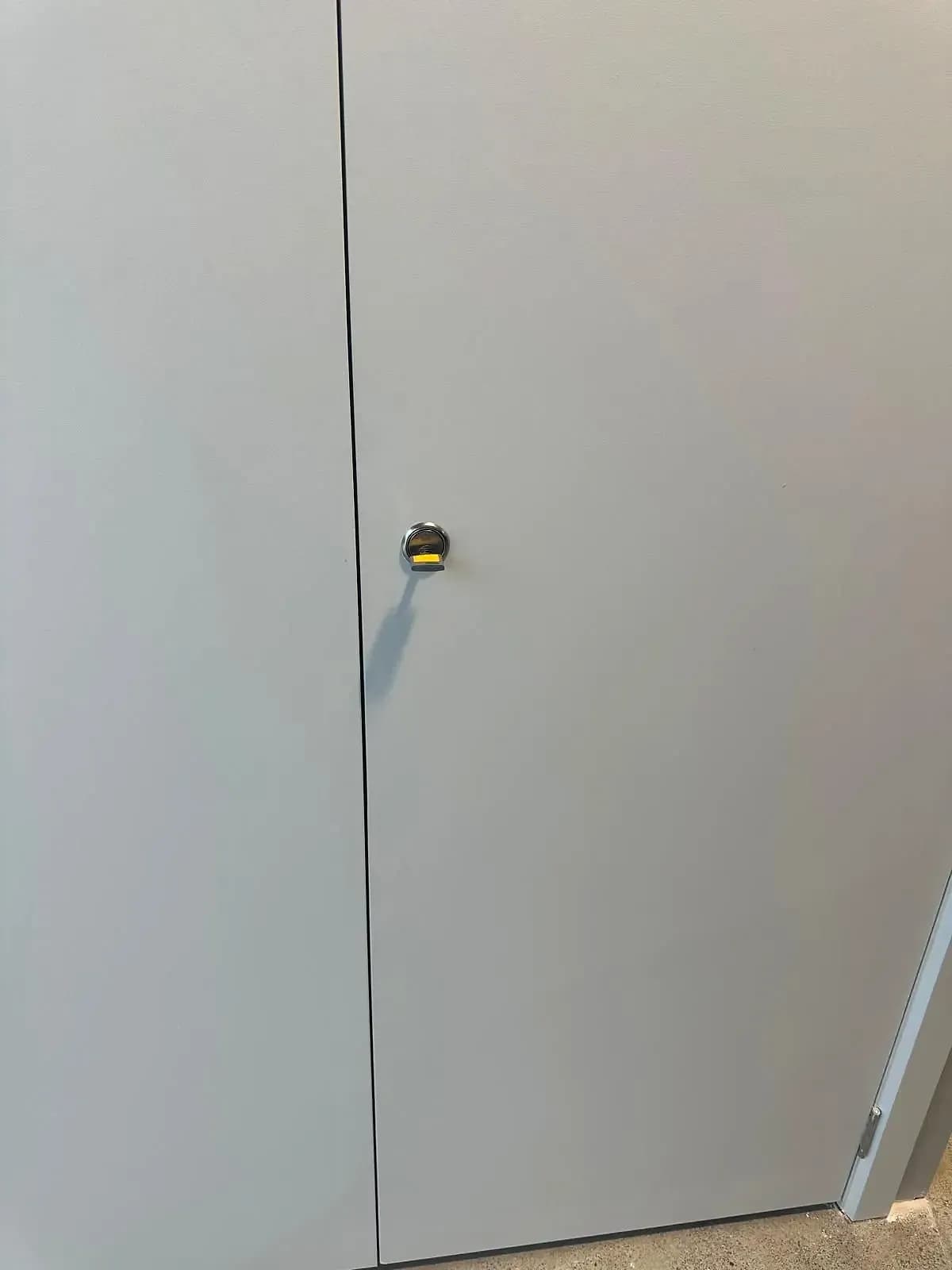
Cylinder lock on commercial double doors Lever and deadlock on an office door Lever set on an office door Lock guard, lever and cylinder on a steel door Carbine mortice lock on a service door Old lock out, new guard and cylinder in Lever on a garbage chute fire door dormakaba mortice lock on a café door Our engraved deadbolt, keys handed over Lever and mortice lock on a café door Keyed lever plate, outside face Thumb turn and keyed lever on a glass door
Between one tenancy and the next
When a tenant moves out, nobody can say how many copies of the key are still around: the tenant’s, a partner’s, a cleaner’s, a tradesperson’s. Rekeying re-sets the pins inside the cylinder so copies cut to the old pattern stop turning. Because the lock itself is kept, it usually costs less than new hardware.
Where a property has several outside doors, they can often be set to one key, so the incoming tenant carries a single key instead of a ring of them. Whether every lock can join the set depends on the hardware, and a locksmith can tell you on site.
Some locks are past rekeying: worn, damaged, or no longer closing properly. When one is, you are told that replacement is the better job, and why, before any work starts.
Locked out of a managed property
A contractor cannot get into a vacant unit. An inspection cannot start because the key will not turn. A tenant is standing outside their own front door. Where it can be done, the lock is opened and kept. Where it has to be replaced to get in, that is part of the job, and nothing is charged that you have not agreed to.
Before any door is opened, we confirm that the person asking is entitled to give access. For a managed property that usually means the owner, the managing agent or the owners corporation, or someone one of them has authorised. Where a property is occupied, access still has to follow the rental laws — usually the renter has had proper notice or has agreed — and we check that before opening. A tenant locked out of their own home is asked for photo ID and something that ties them to the address, such as a lease; we check it, we do not keep a copy. The rule protects the people who live there as much as the people who own the place.
Shops, offices and warehouses are commercial lockouts, and houses and units are home lockouts. They are priced under different rules, so say which it is when you ask.
Strata and shared buildings
A building is a keying problem before it is a lock problem: who has to reach the plant room, the bin store, the car park and the roof, and who must not. A master key system is planned from the floor plan and from who genuinely needs to get where. Then the keys are cut and the cylinders installed, with each person’s key opening their own doors and a master above the lot.
Where the number of keys has to be known, a restricted key system uses a key that cannot be copied at the hardware shop. A copy is cut only by an authorised locksmith, against the signed authority you hold.
Where keys keep going missing, fobs and keypad codes can take their place, and the system can keep a record of who went where. When someone leaves, their fob is switched off and everyone else’s keeps working, so a building is not rekeyed over one lost fob.
Doors that need hardware, not only a key
Doors that open all day need commercial-grade locks, door closers and exit hardware, which are a different specification from the hardware on a front door. Glass shopfronts, aluminium doors, and heavy timber and steel doors each take their own lock.
Panic bars, push pads and emergency exit hardware are supplied and installed, and repaired when the mechanism stops releasing cleanly. The hardware is chosen for the door it is going on, and nothing is fitted or adjusted in a way that would obstruct a fire exit.
Setting up a job
Give us the address, the door or doors, and what has happened or what you want done. Say whether it is a house or unit, or a shop, office or warehouse, and who is asking: the owner, the agency or the owners corporation. You agree a price before work starts. For building work such as a master key system, restricted keys or access control, the quote is given after a visit to the site. If something different turns up on site, nothing extra is charged that you have not agreed to.
Start with a single vacant unit or with the keying of a whole building. The questions are the same either way.
From our job sheet
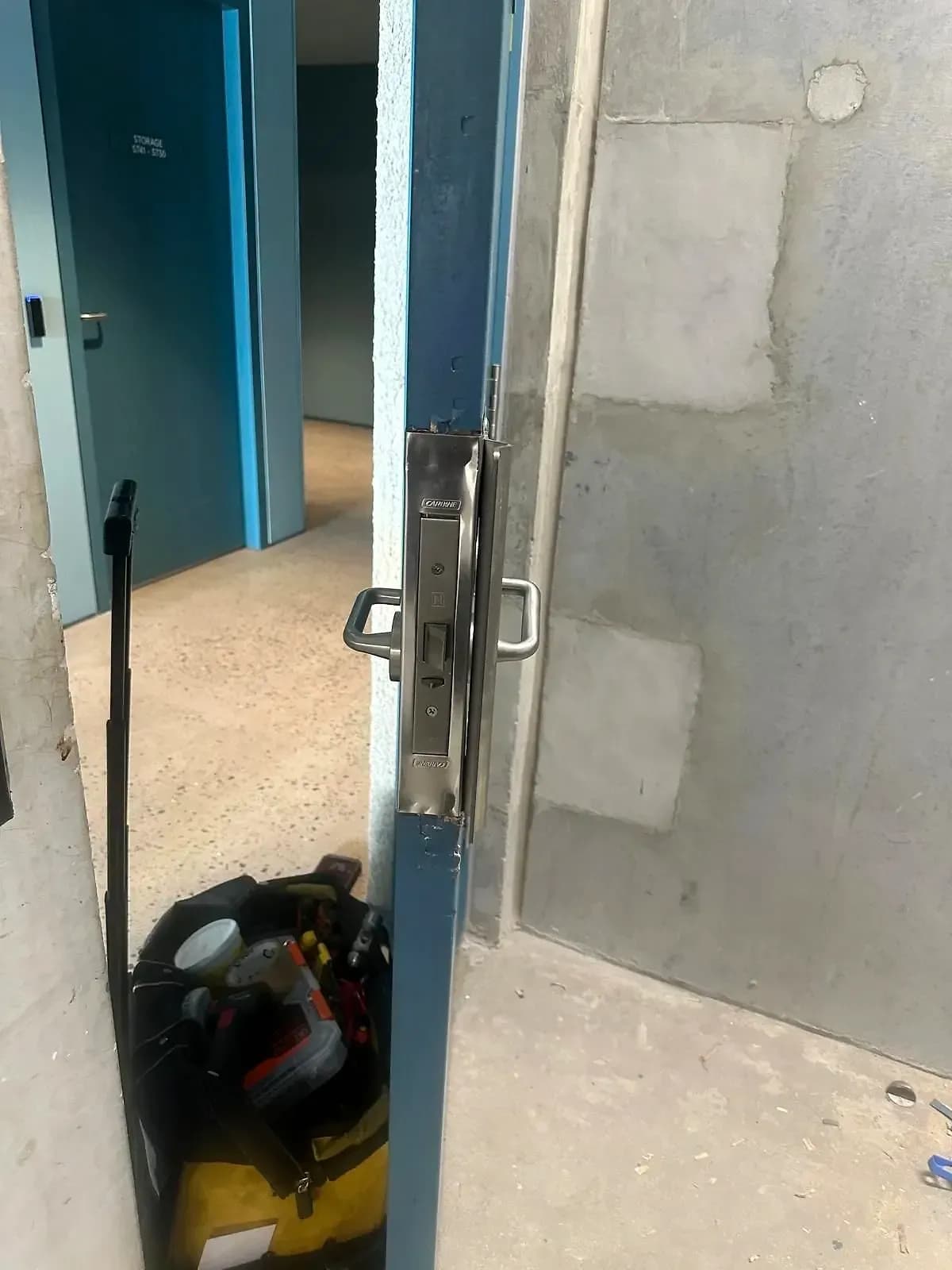
Carbine mortice lock on a service door 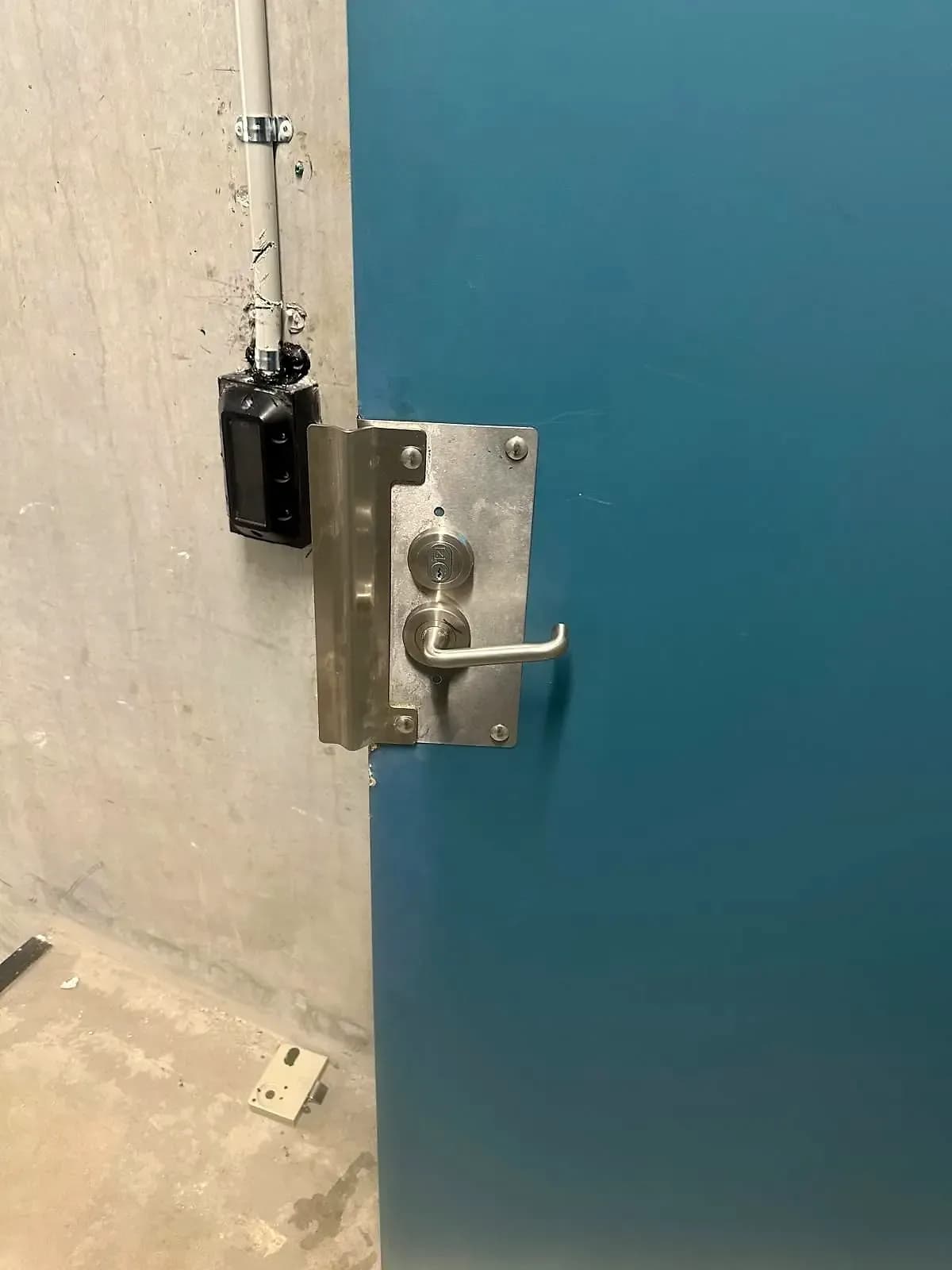
Old lock out, new guard and cylinder in 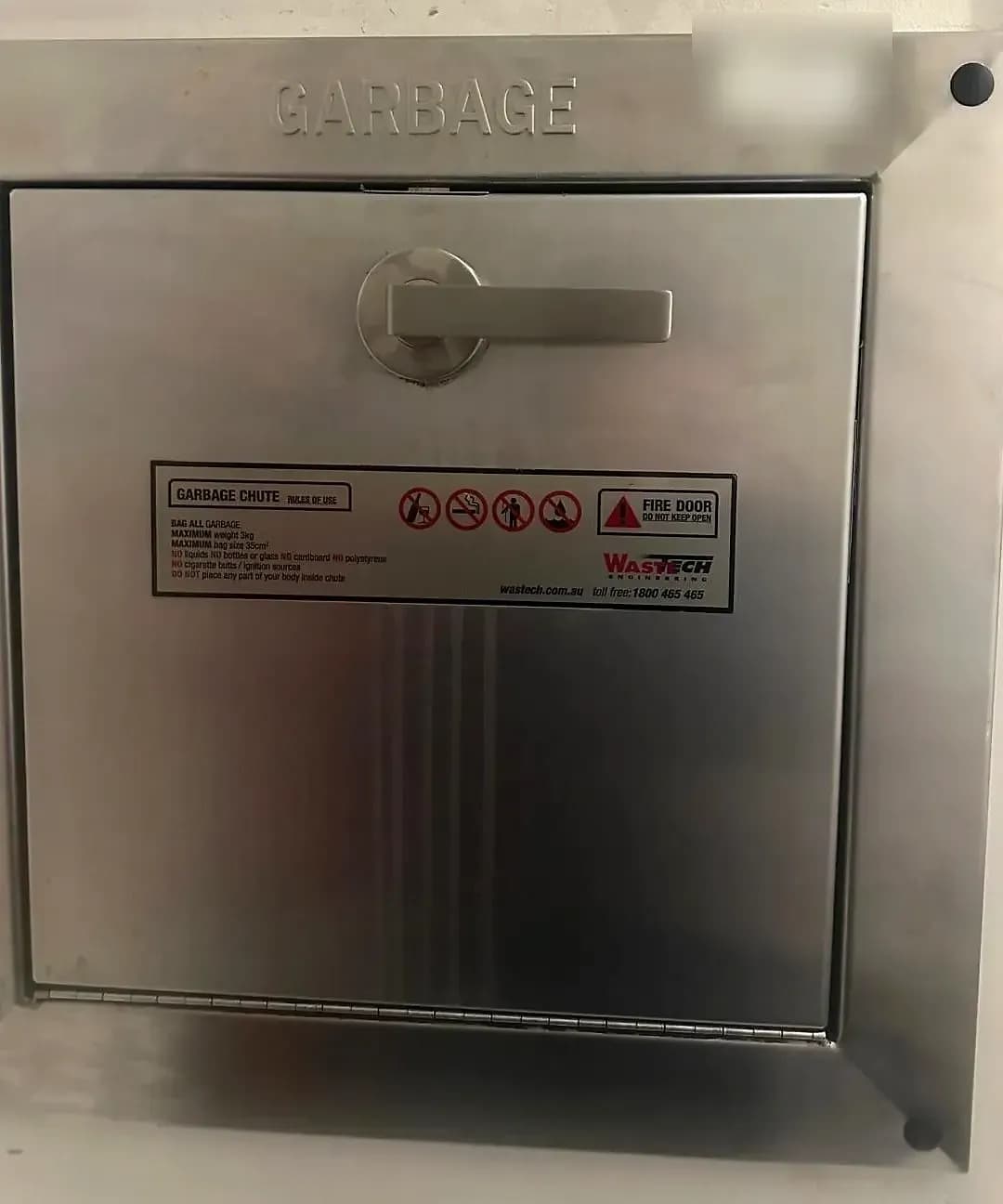
Lever on a garbage chute fire door 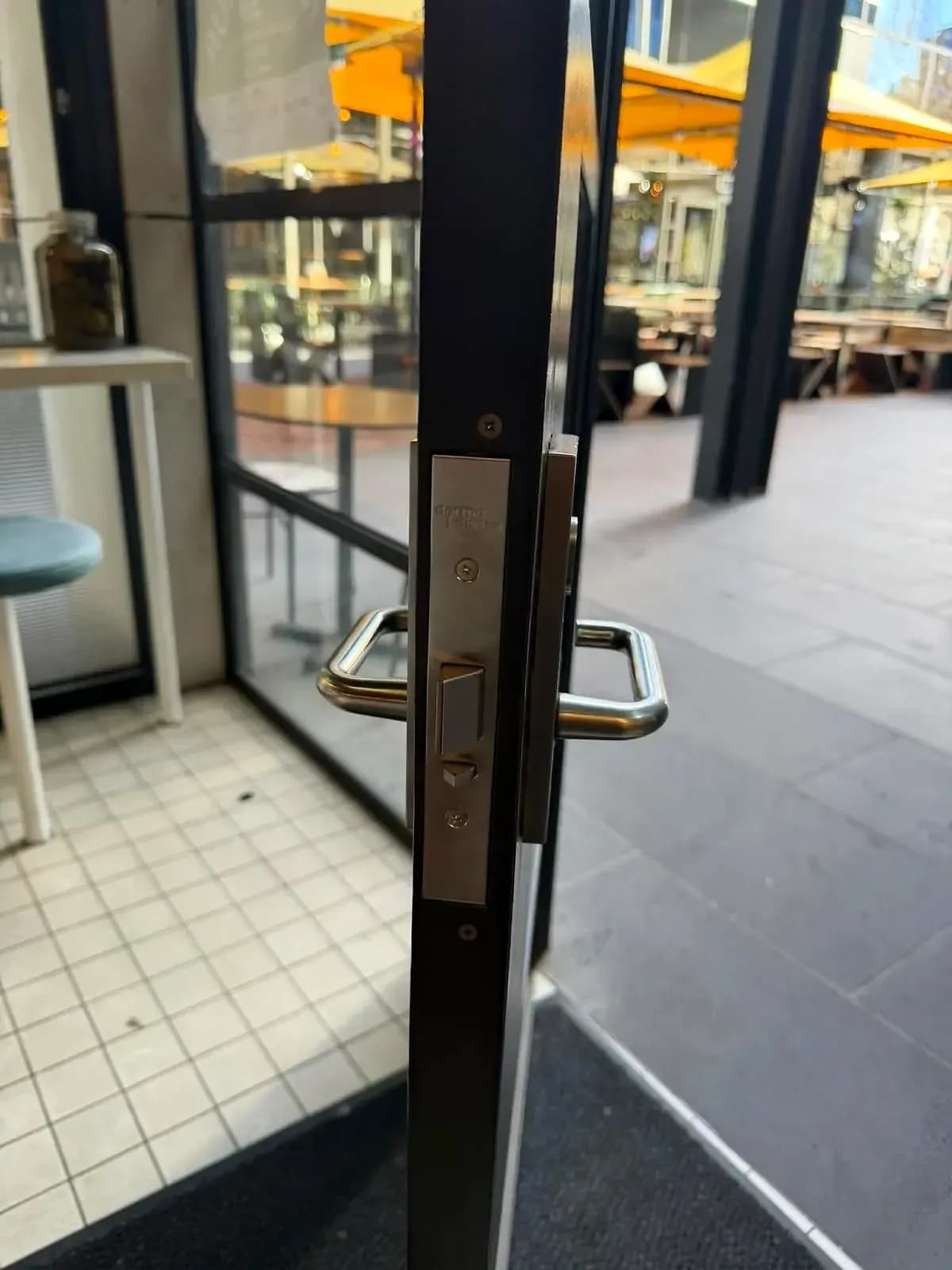
dormakaba mortice lock on a café door
Related services
What we can help with
- Commercial LockoutShut out of your own premises? We’ll get you trading again.From $165Including GST
- Commercial Lock InstallationLocks rated for doors that open a hundred times a day.From $150Including GST
- Master Key SystemOne key for you, limited keys for everyone else.From $150Including GST
- Restricted Key SystemKeys that can’t be copied at the hardware shop.From $150Including GST
- Access ControlFobs and codes instead of keys, and a record of who went where.Price on assessment
- Panic Bars & Exit DevicesFire-egress hardware, installed and serviced.Price on assessment
- Lock RekeyingKeep your locks, change who can open them.From $99Including GST
Common questions
Who can ask for a door at a managed property to be opened?
The owner, the managing agent or the owners corporation, or a person one of them has authorised. We confirm that the person asking is entitled to give access before anything is opened, and we do not open a door and sort that out afterwards. If the property is occupied, the rental laws still apply: usually the renter has had proper notice or has agreed, and we check that before opening. An agent’s request alone is not enough to open a renter’s door.
Is rekeying enough between tenants, or should the locks be replaced?
For a lock in good condition, rekeying changes who can open it and usually costs less than new hardware. If the lock is worn, damaged or no longer closing properly, replacing it is the better job, and you are told that before any work starts.
Can every door in a building share one key?
A group of doors can often be keyed alike. A building where different people need different doors is what a master key system is for: each person carries a key that opens only their doors, and a master opens all of them. Which one suits depends on the doors and on who has to reach them, and the choice is talked through before any work is booked.
Does the owners corporation have to approve work on common property?
For a common-area door, a mailbox bank or anything on a building master system, the owners corporation usually has to authorise the work, and a restricted key is only cut for a registered signatory. Say it is strata when you ask, and who needs to approve what is settled before anyone is sent.
Can you work on commercial doors as well as houses and units?
Yes. Shop, office and warehouse doors are commercial work with their own hardware and their own pricing rules, and houses and units are home work. Tell us which it is when you ask for the price.
What do I need to tell you when I ask for a price?
The address, which door or doors, what has happened or what you want done, and whether it is a house or unit, or a shop, office or warehouse. For a master key system, roughly how many doors there are and how many people will carry a key.
Tell us about the job
Answer what you can — anything you are unsure of, leave it. Your locksmith reads it and comes back with a price, usually within the hour during business hours.
Rather not fill in a form?
Leave your number and we’ll ring you.
Priced by the job, not by the hour — the figure you approve is the figure you pay for the job as described.*
*If your locksmith arrives and the job turns out genuinely different from what you told us — a different lock, extra doors, damage nobody mentioned — you get a plain explanation and a new figure before any work starts, and you can say no. Anything you haven’t agreed to is never charged.
Would rather just talk to someone?
0481 229 929